
What PBM-carrier Mergers Mean for Employers and Benefits Plans

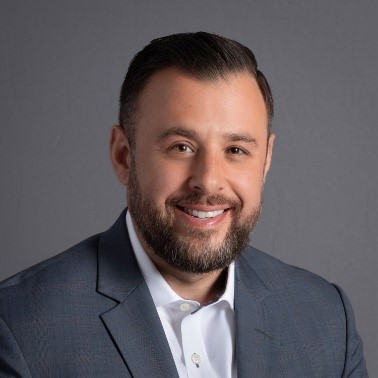
Employers: Keep an Eye on PBM-carrier Mergers | Steven Schwartz | Corporate Synergies
There are plenty of reasons to be skeptical about the so-called benefits of PBM-carrier mergers.
As Seen in Employee Benefit News
As Seen In

Consolidation in the insurance industry—integrating pharmacy benefit managers (PBMs) into carriers—is bringing change to the way employers buy health insurance and how employees and consumers use it. Whether these PBM-carrier mergers are good or bad remains to be seen.

Carriers and PBMs are merging because, carriers claim, integrating a PBM with a carrier can help employers save money and assist patients who are on complex drug regimens. These PBMs, including CVS Caremark and Express Scripts, both employ pharmacists who specialize in specific diseases.

Carriers could also roll out new types of formularies and products to provide more options for employers. Insurers say that PBM-carrier mergers will give them more negotiating power with manufacturers. But there is plenty of reason to be skeptical of the coming changes, too.

Here’s how these mergers could impact employers and consumers.

A Smaller Marketplace with Less Flexibility for Fully Insured Plans

Insurance will soon be largely controlled by five large corporations—Anthem, Cigna, CVS Health, Humana and UnitedHealth Group. This will create a smaller market for prescription drug plans and minimize the flexibility that employers have to switch from a carrier-owned PBM to a stand-alone PBM.

To offset the potential impact of PBM-carrier mergers, employers should be proactive.

Employers and brokers should put their prescription plan to market in order to assess performance and consider other PBM options. As the market shrinks, carriers will keep tight reins on fully insured employers and prevent them from carving out their prescription plans and moving to another PBM.

Consider the example of a 150-person addiction treatment and recovery nonprofit organization. The company’s clients sometimes become peer counselors after they finish treatment, which means that the workforce has unique health issues and treatment needs. Claims for an expensive drug to treat hepatitis C totaled $600,000 in one year and increased the prescription plan utilization by 257%.

Catastrophic claims like these, and double-digit annual increases, could have shut down the organization. Instead, the nonprofit unbundled its prescription plan from its carrier and turned to a niche PBM that developed a prescription plan that provides full transparency into certain drug costs. The coming consolidation will make it difficult—or nearly impossible—for fully insured companies to carve out prescription plans in favor of smaller PBMs. And the effects of that could be catastrophic for some businesses.

Less Flexibility for Mid-market Self-insured Plans

While self-insured employers will have more insight into exactly how much they are paying for prescription plans, they may still struggle to remain flexible as market consolidation continues. Many self-insured employers still turn to large insurance carriers to act as third-party administrator (TPA) of the plan. Carrier TPAs administering plans for employers with less than 500 lives may require these plans to only use the carrier’s integrated PBM and prevent unbundling from medical.

What Plans Should Do Right Now

Fully insured employers may want to consider partial self insuring in order to have more visibility into plan details and claims data. Until you become partially self insured it may not even be an option to carve out your prescription plan.

For partially self-insured employers, it’s important to understand how your prescription plan pricing works right now so that you’ll understand what is being changed as PBM-carrier mergers continue. I’d also recommend reviewing options for specialty niche PBMs that may be able to provide more transparent pricing and more flexible prescription plan options.

It’s incredibly important to understand the implications of unbundling or carving out prescription plans. While this should be done with careful consideration, it’s also important to act quickly. Once these mergers are finalized and carriers begin implementing new underwriting rules and changes, it may be a challenge for mid-market employers to be able customize their prescription program.

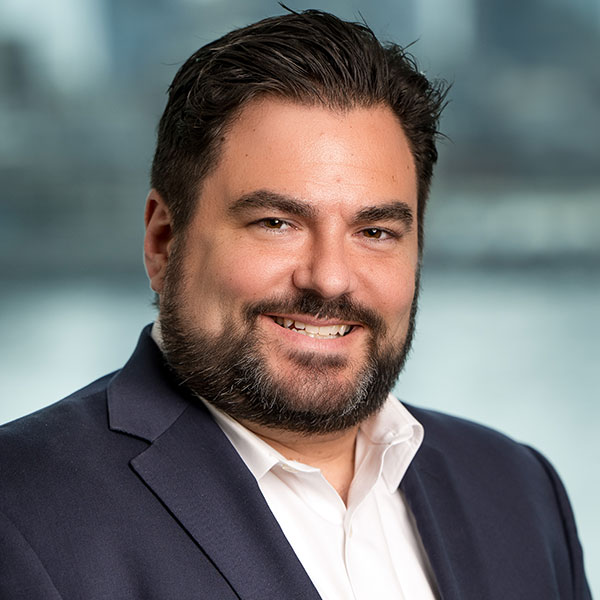
Steven Schwartz, Regional Vice President for Corporate Synergies
Steve Schwartz has a wealth of plan design, claims analysis, stop loss and underwriting experience. As the leader of the New York region, he manages a large team of talented benefit consultants and support staff.

Share

Related Content

Latest Content

Want More?

On Demand Webinars​

View any of our past recorded webinars. Note that the recorded webinars are not eligible for CE credits.

Current Events Calendar ​

Learn from respected experts while you earn CE credits for select continuing education events, free of charge.​

Further Learning​

Never miss another event! Receive email alerts for upcoming events and service offerings.​

LIKE WHAT YOU'RE READING?

Get Notified!

We will send important benefits-industry information directly to your inbox as it becomes available, including accredited CE events.

Amanda Freudenthal for workforce strategy for employers

Amanda Freudenthal

 Founder and Chief People Advisor
Trusted HR Synergies, LLC  

Amanda holds dual-Bachelor’s degrees in Human Resources  (HR)  Management and Computer Systems and has more than  20 years of HR practitioner experience in-house and as a consultant for the last ten years. Her consulting experience includes supporting start-ups to 500 employees, nationwide and internationally, across all industries and supporting everything from the day-to-day people functions to strategic advising for executives and Boards.

Amanda brings a strong passion for helping organizations streamline processes, remain compliant, and she takes pride in viewing all matters through the lens of all involved.  Amanda aims to place the “human” in Human Resources through her white glove approach. Understanding the why (a.k.a. “know”) versus providing “no” without a solution, is what sets her aside from other HR professionals.  

Jeff Litwin

Vice President, Finance – American Contracting and Environmental Services

Jeff Litwin has been with American Contracting & Environmental Services Inc. for over 17 years. During his tenure, he has held positions in estimating, preconstruction and has held his current role as VP of Finance for the last 3+ Years. In his current role, Jeff oversees all accounting and finance functions of the company, while still staying heavily involved in operations through his guidance in the preconstruction department. Jeff was a key contributor during ACE’s transition from a fully funded insurance model to self-funded in 2023 and maintains a strong interest in the company’s healthcare setup.

Alexis Holdcroft - workforce strategies for employers

Alexis Holdcroft

Senior Account Manager
Corporate Synergies

Alexis Holdcroft provides account management support and supervises day-to-day program deliverables for clients serviced by the Corporate Synergies Bethesda, Maryland, regional office.

She assists in the development of health and welfare benefits programs based on needs analysis, budget forecasting and detailed contract comparisons. She draws upon her human resources and account management background to deliver exceptional client service.

Prior to joining Corporate Synergies, she was an Account Executive for SET SEG, where she specialized in employee benefits for Michigan public schools. Previously she was an HR Coordinator for SET SEG Insurance Services Agency, where she handled benefits and ADP administration, recruitment, policy administration and new-hire orientation.

Alexis earned a Bachelor of Science degree in Human Resources from Michigan State University. She holds a Life and Health Insurance license.

John Crable

RHU Senior Vice President 
Corporate Synergies

After initially launching his career with MetLife in 1993, John Crable soon joined the brokerage and consulting firm Corporate Dynamics, the predecessor to Corporate Synergies formally established in 2003. 

John is a lead consultant to a broad array of organizations across all industries from private and public sector companies to non-profit organizations and associations; expertly aiding in the negotiation, design, implementation and servicing of their employee benefits programs. He has a particular talent for reducing employer costs through diligent carrier negotiations and identifying creative funding strategies, while helping an organization maintain high- value, comprehensive healthcare solutions. Web MD, RWJ Barnabas Health, H&M, The Barnes Foundation, Celgene, Sharp Electronics, Einstein Health System, Rhodia, IKEA, Wellpath, NVR homes and Carrington Mortgage represent several of the employers John has partnered with over the years. 

John currently sits on the broker advisory board for Cigna. He is also proud to serve as Chair of the Corporate Executive Board of The Philadelphia Museum of Art and regularly volunteers as a mentor to at-risk youth at Urban Promise in Camden, New Jersey.

Raymond Kim

Regional Vice President of Account Management
Corporate Synergies

Ray has been with Corporate Synergies for over 15 years, serving in all roles within Account Management. Ray is responsible for leading a team of Account Managers with a primary objective of guiding employers in the design of benefit programs that emphasize cost control and higher value for the organization and the plan participant. He serves as an executive sponsor for clients and ensures the teams have the support and resources to successfully provide benefits and insurance consultation. Prior to joining Corporate Synergies in 2005, he was a Benefits Specialist with then Towers Perrin. Ray is a graduate of The Pennsylvania State University with Bachelor of Arts degrees in English and Communications.

Dr. Tim Sullivan

Managing Director, Pharmacy Advisory Services
Optum Advisory

As a pharmacist by background, Dr. Sullivan is a seasoned managed healthcare executive with extensive experience in employer group strategy, drug pricing, pharmacy benefit management and network operations. He is an expert at leading high-impact pharmacy programs balancing affordability, access, and clinical value for health plans, employers and patients. Dr. Sullivan helped craft competitive offerings across the spectrum of fully insured to large self-funded employers, and everything in between. Having held leadership roles in the health insurance and pharmacy benefit space for over 15 years, currently, Dr. Sullivan leads the Pharmacy Advisory Services for Optum Advisory as Managing Director. 


Nicole Crowley

Coming Soon

Lorem ipsum dolor sit amet, consectetur adipiscing elit. Sed do eiusmod tempor incididunt ut labore et dolore magna aliqua. Ut enim ad minim veniam, quis nostrud exercitation ullamco laboris nisi ut aliquip ex ea commodo consequat. Duis aute irure dolor in reprehenderit in voluptate velit esse cillum dolore eu fugiat nulla pariatur. Excepteur sint occaecat cupidatat non proident, sunt in culpa qui officia deserunt mollit anim id est laborum.

Matt McCuen

National Executive at Imagine360

Matt McCuen is an industry veteran, with over 30 years of experience in the self-funded space.  

As the National Marketing Executive for Imagine360, Matt works with self-funded employers across the nation to improve the benefits they offer to their employees and families. 

Imagine360 is the leading provider of employer-sponsored health plan solutions that deliver deep cost savings and concierge member support. Leveraging 50+ years of expertise, Imagine360’s solutions combine the financial benefits of reference-based pricing, best-in-class member support, and health plan administration.  

Greg Santulli

CEO of Rx Valet

Greg Santulli is the CEO and Co-Founder of Rx Valet, an industry leading Pharmacy Cost Savings company. Greg has over 30 years of experience in healthcare and pharmacy. His leadership has positioned Rx Valet as the one of the leading providers of Pharmacy Cost Containment, low-cost access to medications and a successful pharmacy benefit manager. His company’s approach is to engage all parties involved to provide unprecedented results. 

Mitch Lamoriello

VP Wealth Advisor at Advus Partners

Mitchell has innovation in his bones. He understands the unique challenges and circumstances clients face in their financial lives, and is passionate about discovering new ways his family firm can help serve a changing investor and investment marketplace.

As an investment specialist, Mitchell sits on the Advus’ investment committee. He also is responsible for assisting in the firm’s qualitative and quantitative due diligence process and contributing to the research on capital markets and global economic conditions. His knowledge base in investments provides him with a strong foundation to help answer client questions and navigate issues with their portfolio. As he spends more time with clients, Mitchell understands the importance of achieving goals and has expanded his knowledge, skills and approach beyond investments to encompass holistic financial planning.

andy rhea

Andy Rhea

President of Align Risk Solutions

Andy is the President of Align Risk Solutions. Prior to the formation of Align, Andy served as General Counsel to the Captive Insurance Division for the Tennessee Department of Commerce and Insurance. He began his legal career with the Mississippi Insurance Department and in private practice. He is a licensed attorney (in both Tennessee and Mississippi) and holds the Associate in Captive Insurance designation. Andy is very active in various captive insurance associations, currently serving as the President of the Tennessee Captive Insurance Association. Andy is a graduate of Mississippi State University where he received a BBA and MBA, and he earned his law degree from the University of Mississippi. During the feasibility and formation phases of Align’s process, Andy is involved in all regulatory, business plan and application functions. Ongoing, Andy is responsible for corporate governance, regulatory matters, and client relationships. 

Andrew Zito

President/CEO – Advus Fincancial Partners

Andrew has always been fascinated by complex things. The more complicated something is, the more he wants to understand it and fix it. From applying technology to solve business problems to working with plan sponsors to untangle complicated situations, he thrives on finding efficient and effective solutions.

Andrew oversees the operations of Advus, translating the firm’s vision and objectives into actionable processes. His responsibilities encompass technology solutions, business processes, service standards and human resources. He also is directly responsible for the retirement plan division and settingits strategic direction.

Andrew specializes in the qualified retirement plan aspect of the Advus business. Throughout his career, he has worked with retirement plans in a variety of different capacities. He began his career as an intern at Advus (formerly LAMCO Advisory Services, Inc.) assisting with compliance testing. He then spent several years working on platform conversions for retirement plans before moving into his present consulting role. Within the retirement plan space, he specializes in complex plan situations including plan mergers, spinoffs, complex regulatory audits, M&A activity and error corrections.