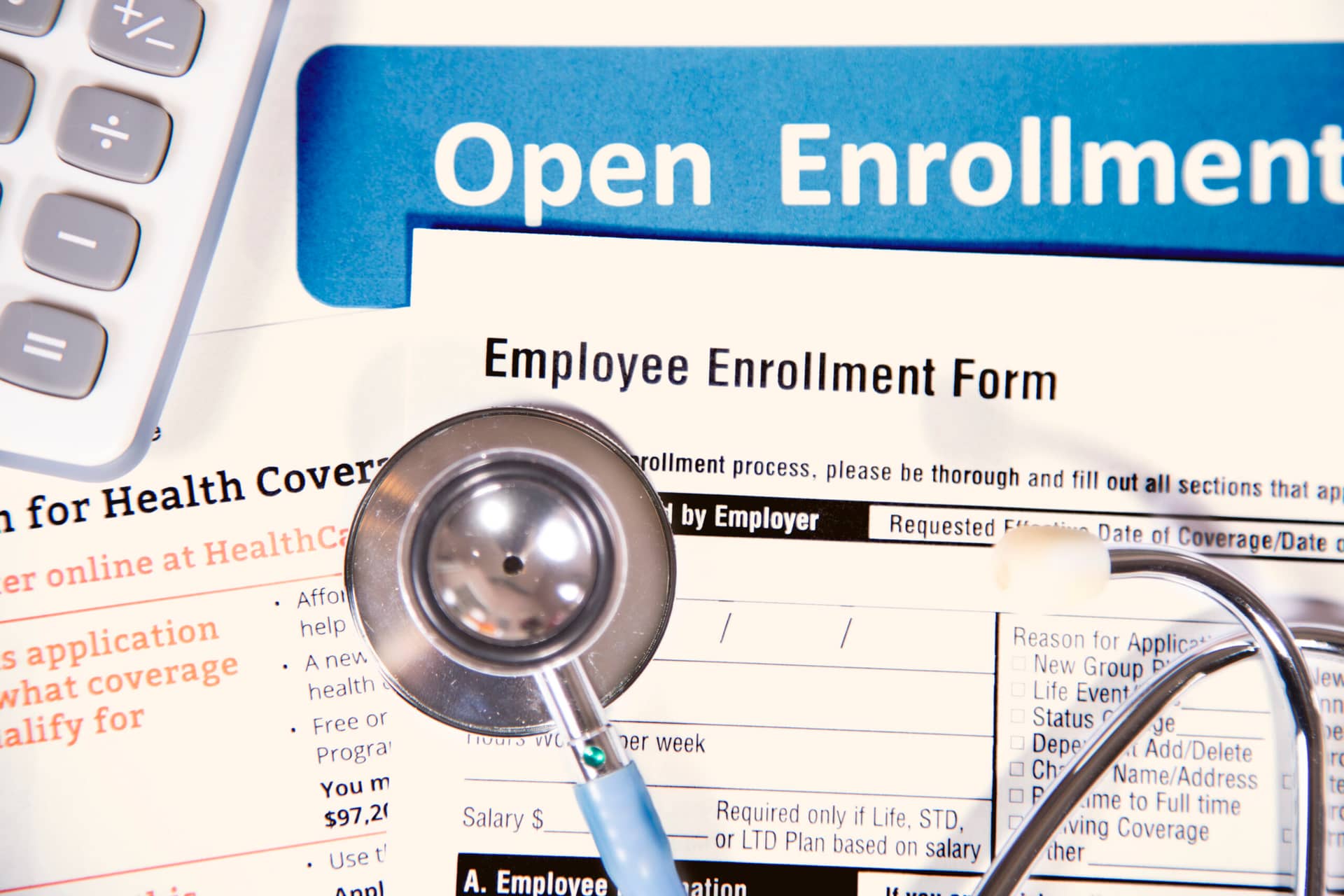
Many organizations rely on open enrollment as their primary opportunity to educate employees about benefits. They pack plan choices, policy updates, and coverage explanations into a short open enrollment window, expecting employees to absorb and retain the information. In reality, most employees focus only on what seems immediately relevant to their current circumstances. As their health needs evolve, gaps in understanding emerge, and much of what they learned during enrollment fades over time.
For example, an employee mentions chest pain during an annual physical, prompting the physician to order an EKG. Although the visit began as preventive care, the additional evaluation reclassifies it as diagnostic, leaving the employee with an unexpected bill. The employee followed the rules (used an in-network provider and scheduled a covered service) yet still faced costs they did not anticipate. Situations like this occur more often than employers realize and highlight a fundamental challenge in benefits education.
Employers often assume that benefits guides, webinars, and enrollment portals provide sufficient education. While these resources explain the rules, they cannot address complex real-life situations that carry financial consequences. Effective benefits education requires ongoing communication, personalized guidance, and access to expert support throughout the year. The open enrollment window remains important, but it should serve as the starting point, not the entire strategy. Employees need timely education and assistance when questions arise, not months earlier when enrollment decisions are made.
Read the full article on LinkedIn.