

Cultivating Success Through Workforce Accessibility

Asian man working on a laptop in his wheelchair demonstrates workforce accessibility in action| Corporate Synergies
Workforce accessibility can improve staff retention and productivity for organizations looking to be competitive in today’s labor market.

As Seen in Employee Benefit News
As Seen In

With more than 1 in 4 adults in the U.S. living with a disability, organizations wrestle with hybrid work and talent retention. One strategic imperative stands out but remains largely unexplored is building workplaces that are genuinely accessible to employees with disabilities.

Recent data reveals a compelling trend. Workforce participation among individuals with disabilities increased from 29% in 2018 to 37% in 2023, driven largely by the widespread adoption of flexible work arrangements.

Yet many organizations still approach disability accommodations as a compliance requirement or cost center, missing the broader strategic opportunity. The most successful organizations understand that supporting employees with disabilities isn’t about providing basic accommodations—it’s about creating an environment where all employees can fully contribute their talents and expertise.

The stakes are high as younger generations enter the workforce with different expectations, and organizations that fail to adapt may risk losing valuable talent and falling behind more proactive competitors.

Productivity and innovation increase as inclusive workplaces foster diverse perspectives and creative problem-solving

The ROI of Workplace Accessibility

While most organizations aim to empower their workforces, creating an accessible environment for employees with disabilities unlocks additional success and innovation. Disabilities do not define a person’s potential—given the right tools and support, individuals with disabilities can excel and bring unique strengths that elevate the entire organization.

A recent report from the Job Accommodation Network (JAN) shows that over half of workplace accommodations cost nothing to implement, while those with a one-time cost have a median expenditure of just $300. Given these modest investments, the returns are substantial. The report also shows the tangible impact of prioritizing workplace accessibility:

  • 85% of organizations retain valued employees
  • 53% see increased employee productivity
  • 48% experience improved attendance
  • 47% eliminate costs associated with training new employees
  • 33% increase company diversity

These benefits directly impact the bottom line. Productivity and innovation increase as inclusive workplaces foster diverse perspectives and creative problem-solving. Accessibility also enhances market competitiveness, as companies that embrace it gain access to untapped talent pools and differentiate themselves as leaders in inclusivity.

Creating an Environment Where Everyone Thrives

Success starts with leadership. They play a crucial role in championing accessibility by ensuring initiatives are grounded in practical, everyday solutions. Every employee can excel in the right environment.

For example, organizations must regularly review hiring practices and train managers to recognize and nurture diverse talent. This mindset extends to workplace accommodations. Solutions like flexible schedules and remote work, originally intended to accommodate specific needs, have demonstrated the ability to benefit all employees. Workplace modifications and technologies make everyone more efficient, but only if regularly reviewed and updated to align with evolving needs.

Support networks are crucial to sustained success. Employee resource groups provide valuable insights for organizational improvement, while partnerships with local advocacy groups and vocational services help expand your talent pipeline and expertise.

Success stories are another powerful tool. Spotlighting success stories of employees thriving with accommodations not only combats outdated stigmas but also inspires further inclusivity.

Sustaining this progress requires ongoing attention. Regular training keeps your team sharp and your practices current. Workplace technology and best practices are constantly evolving. Your accessibility initiatives should, too.

Organizations that embrace accessibility unlock untapped talent, foster innovation and build stronger, more competitive teams. As workforce participation among individuals with disabilities continues to rise, the demand for inclusive workplaces grows more urgent—and the rewards for those who adapt are undeniable.

From revisiting hiring practices to fostering support networks and training managers to empower diverse talent, every effort contributes to creating an environment where all employees can thrive. Thoughtfully implemented and consistently updated accessibility initiatives have the power to elevate everyone, driving growth and innovation across the board.

Action Steps for Creating a More Accessible Workplace:

  • Listen first, act second: Take the time to understand your employees’ needs before jumping to solutions.
  • Audit your policies: Identify where your current practices fall short on accessibility and inclusion.
  • Embrace flexibility: Implement adaptable work arrangements that support all employees.
  • Build community partnerships: Connect with local organizations to tap into resources and expertise.

Keep the conversation going: Create regular feedback channels to spot issues early and drive continuous improvement.


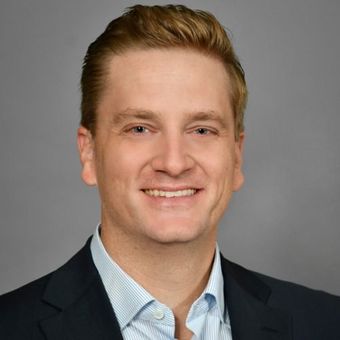
Brian Reilly headshot | Corporate Synergies
Brian Reilly works with organizations to provide cost-effective strategies and efficient healthcare programs. His skill set includes marketing negotiations with carriers and managing client relationships. He consistently interacts with the insurance market, clients and their industries, leading to a deeper understanding of the evolving healthcare landscape and how it impacts his clients and employees. He identifies cost-saving alternatives and strategies designed to increase the value of benefit programs for all stakeholders. He currently serves as Board Secretary for the Westchester Human Resource Management Association (WHRMA). He earned a Bachelor of Sciences in Business Management from the University of Delaware.

Share

Related Content

Latest Content

Want More?

On Demand Webinars​

View any of our past recorded webinars. Note that the recorded webinars are not eligible for CE credits.

Current Events Calendar ​

Learn from respected experts while you earn CE credits for select continuing education events, free of charge.​

Further Learning​

Never miss another event! Receive email alerts for upcoming events and service offerings.​

LIKE WHAT YOU'RE READING?

Get Notified!

We will send important benefits-industry information directly to your inbox as it becomes available, including accredited CE events.

Matt McCuen

National Executive at Imagine360

Matt McCuen is an industry veteran, with over 30 years of experience in the self-funded space.  

As the National Marketing Executive for Imagine360, Matt works with self-funded employers across the nation to improve the benefits they offer to their employees and families. 

Imagine360 is the leading provider of employer-sponsored health plan solutions that deliver deep cost savings and concierge member support. Leveraging 50+ years of expertise, Imagine360’s solutions combine the financial benefits of reference-based pricing, best-in-class member support, and health plan administration.  

Greg Santulli

CEO of Rx Valet

Greg Santulli is the CEO and Co-Founder of Rx Valet, an industry leading Pharmacy Cost Savings company. Greg has over 30 years of experience in healthcare and pharmacy. His leadership has positioned Rx Valet as the one of the leading providers of Pharmacy Cost Containment, low-cost access to medications and a successful pharmacy benefit manager. His company’s approach is to engage all parties involved to provide unprecedented results. 

Mitch Lamoriello

VP Wealth Advisor at Advus Partners

Mitchell has innovation in his bones. He understands the unique challenges and circumstances clients face in their financial lives, and is passionate about discovering new ways his family firm can help serve a changing investor and investment marketplace.

As an investment specialist, Mitchell sits on the Advus’ investment committee. He also is responsible for assisting in the firm’s qualitative and quantitative due diligence process and contributing to the research on capital markets and global economic conditions. His knowledge base in investments provides him with a strong foundation to help answer client questions and navigate issues with their portfolio. As he spends more time with clients, Mitchell understands the importance of achieving goals and has expanded his knowledge, skills and approach beyond investments to encompass holistic financial planning.

andy rhea

Andy Rhea

President of Align Risk Solutions

Andy is the President of Align Risk Solutions. Prior to the formation of Align, Andy served as General Counsel to the Captive Insurance Division for the Tennessee Department of Commerce and Insurance. He began his legal career with the Mississippi Insurance Department and in private practice. He is a licensed attorney (in both Tennessee and Mississippi) and holds the Associate in Captive Insurance designation. Andy is very active in various captive insurance associations, currently serving as the President of the Tennessee Captive Insurance Association. Andy is a graduate of Mississippi State University where he received a BBA and MBA, and he earned his law degree from the University of Mississippi. During the feasibility and formation phases of Align’s process, Andy is involved in all regulatory, business plan and application functions. Ongoing, Andy is responsible for corporate governance, regulatory matters, and client relationships. 

Andrew Zito

President/CEO – Advus Fincancial Partners

Andrew has always been fascinated by complex things. The more complicated something is, the more he wants to understand it and fix it. From applying technology to solve business problems to working with plan sponsors to untangle complicated situations, he thrives on finding efficient and effective solutions.

Andrew oversees the operations of Advus, translating the firm’s vision and objectives into actionable processes. His responsibilities encompass technology solutions, business processes, service standards and human resources. He also is directly responsible for the retirement plan division and settingits strategic direction.

Andrew specializes in the qualified retirement plan aspect of the Advus business. Throughout his career, he has worked with retirement plans in a variety of different capacities. He began his career as an intern at Advus (formerly LAMCO Advisory Services, Inc.) assisting with compliance testing. He then spent several years working on platform conversions for retirement plans before moving into his present consulting role. Within the retirement plan space, he specializes in complex plan situations including plan mergers, spinoffs, complex regulatory audits, M&A activity and error corrections.