

Stop-loss Insurance Changes Create Hurdles for Employers

Stop-loss Insurance Hurdles | Corporate Synergies
Stop-loss insurance carriers typically ask for three years of large claims history. Now they want even more data.
As Seen in Employee Benefits News
As Seen In

Moving toward self insurance gives employers greater control, and many are taking the plunge to handle their benefits offering themselves. But catastrophic claims from an unexpected injury or a chronic condition are also on the rise, and stop-loss insurance carriers are taking notice.

These types of claims can rack up hundreds of thousands of dollars in bills, a potentially debilitating number for employers. At the same time, the rising price of healthcare and prescription drugs has led stop-loss carriers to become more discerning when renewal season rolls around.

Stop-loss insurance provides coverage on both an individual and a group basis.

What has changed?

Stop-loss insurance is a pooled product whose premiums can be calculated based on the carrier’s book of business, group’s experience or a combination of both, depending on size. Stop-loss insurance provides coverage on both an individual and a group basis. Individual coverage protects from catastrophic or high claimants, while group coverage is aggregated to prevent spending over a specified limit.

As large claims become more prevalent, thanks in part to rising drug and healthcare costs, stop-loss carriers have tightened the reins on coverage. That has led to an increase in individual employee “lasers.”

These changes make it extremely important for you and your broker to keep a close eye on how your plan is performing throughout the year so there aren’t any surprises at renewal.

Here’s how stop-loss changes are impacting self-insured employers and what they should do to smooth the waters.

Review your records; more data is necessary.

Stop-loss carriers are looking closer at each case and requesting more information than ever before. They have always preferred at least three years of large claim history and demographic data, but now request more in-depth data on individual claimants. This can be tough to get from the carrier, or could result in more lasers if there are ongoing, large claimants.

If you aren’t prepared to supply this information, digging it up can add weeks onto the process.

Prepare early for lengthy review periods.

With this added information in the mix, potential carriers are taking longer to review data and respond to RFPs. In fact, employers that don’t take these delays into account may be cutting the renewal too close to their open enrollment deadlines.

Stop-loss insurance carriers are moving at their own pace. At Corporate Synergies, we ask the market to provide stop-loss proposals 90 to 120 days prior to the renewal date, and we recommend that other consultants take the same approach.

Thinking about self funding? Plan ahead.

Changing how your health and welfare plan is funded is never an easy decision, but if you are considering moving away from a fully insured model, start planning early. It’s best to test the waters and “coach” the market about six months in advance of your preferred start date. The idea is to warn medical and pharmacy drug carriers that an RFP is coming, and begin getting them acquainted with your workforce data.

This process of getting acquainted is more difficult because of the gap in reporting when an employer is fully insured. With this in mind, preparation is key. At your pre-renewal meeting, be sure to discuss your goals and expectations with your benefits consultant and your account management team.

Even with these considerations, more employers are moving to self insurance than ever before. With 2025 renewal planning ramping up, it’s never too early to take a close look at your benefits program to see where savings and improvements can be found.


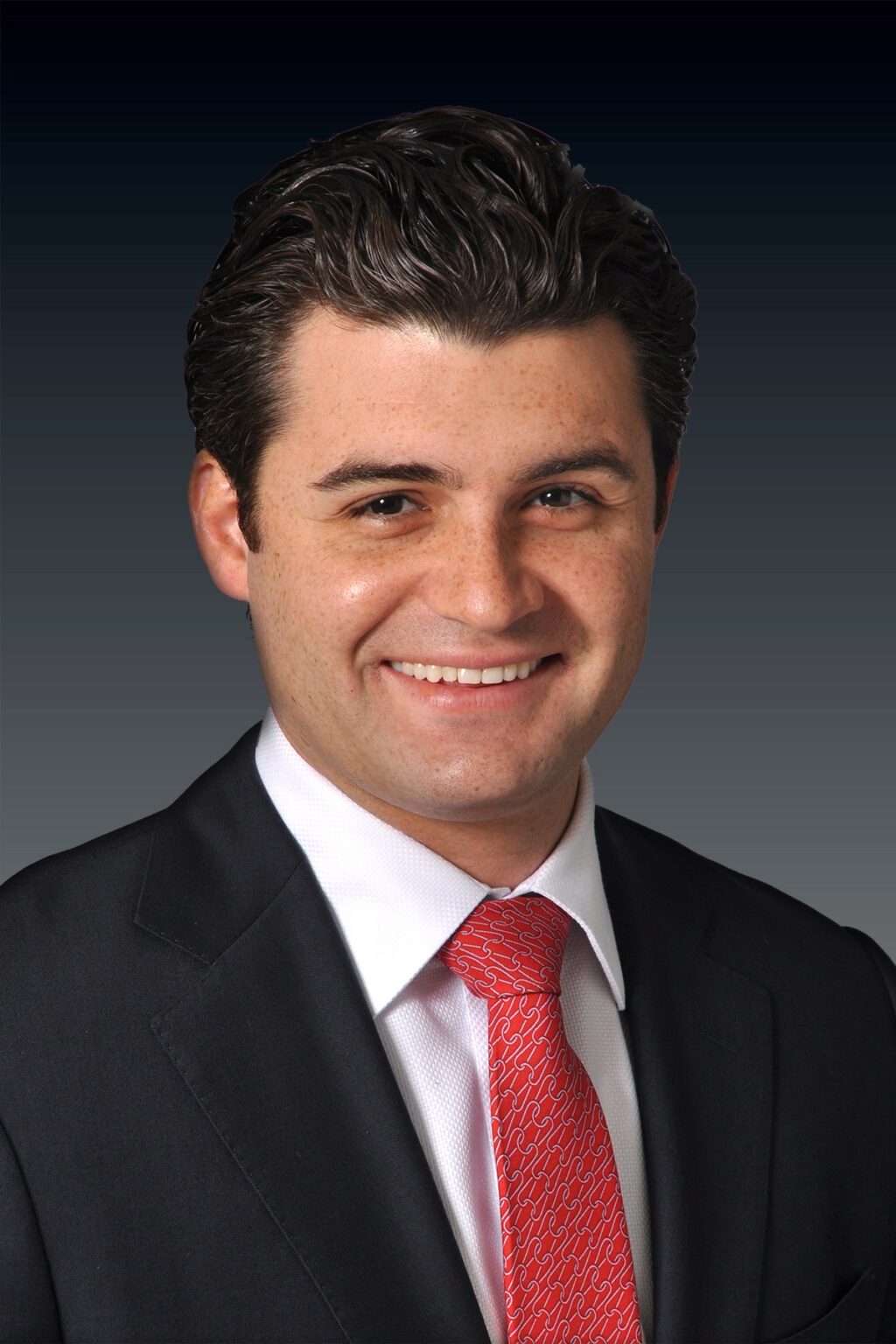
Luciano Franco oversees Corporate Synergies’ underwriting experts and functions, and is responsible for ensuring a common standard across the enterprise. He joined Corporate Synergies in 2007 after more than a decade of underwriting experience with CIGNA. He manages staff underwriters who provide in-depth guidance to clients and Corporate Synergies’ account service teams.

Share

Related Content

Latest Content

Want More?

On Demand Webinars​

View any of our past recorded webinars. Note that the recorded webinars are not eligible for CE credits.

Current Events Calendar ​

Learn from respected experts while you earn CE credits for select continuing education events, free of charge.​

Further Learning​

Never miss another event! Receive email alerts for upcoming events and service offerings.​

LIKE WHAT YOU'RE READING?

Get Notified!

We will send important benefits-industry information directly to your inbox as it becomes available, including accredited CE events.

Matt McCuen

National Executive at Imagine360

Matt McCuen is an industry veteran, with over 30 years of experience in the self-funded space.  

As the National Marketing Executive for Imagine360, Matt works with self-funded employers across the nation to improve the benefits they offer to their employees and families. 

Imagine360 is the leading provider of employer-sponsored health plan solutions that deliver deep cost savings and concierge member support. Leveraging 50+ years of expertise, Imagine360’s solutions combine the financial benefits of reference-based pricing, best-in-class member support, and health plan administration.  

Greg Santulli

CEO of Rx Valet

Greg Santulli is the CEO and Co-Founder of Rx Valet, an industry leading Pharmacy Cost Savings company. Greg has over 30 years of experience in healthcare and pharmacy. His leadership has positioned Rx Valet as the one of the leading providers of Pharmacy Cost Containment, low-cost access to medications and a successful pharmacy benefit manager. His company’s approach is to engage all parties involved to provide unprecedented results. 

Mitch Lamoriello

VP Wealth Advisor at Advus Partners

Mitchell has innovation in his bones. He understands the unique challenges and circumstances clients face in their financial lives, and is passionate about discovering new ways his family firm can help serve a changing investor and investment marketplace.

As an investment specialist, Mitchell sits on the Advus’ investment committee. He also is responsible for assisting in the firm’s qualitative and quantitative due diligence process and contributing to the research on capital markets and global economic conditions. His knowledge base in investments provides him with a strong foundation to help answer client questions and navigate issues with their portfolio. As he spends more time with clients, Mitchell understands the importance of achieving goals and has expanded his knowledge, skills and approach beyond investments to encompass holistic financial planning.

andy rhea

Andy Rhea

President of Align Risk Solutions

Andy is the President of Align Risk Solutions. Prior to the formation of Align, Andy served as General Counsel to the Captive Insurance Division for the Tennessee Department of Commerce and Insurance. He began his legal career with the Mississippi Insurance Department and in private practice. He is a licensed attorney (in both Tennessee and Mississippi) and holds the Associate in Captive Insurance designation. Andy is very active in various captive insurance associations, currently serving as the President of the Tennessee Captive Insurance Association. Andy is a graduate of Mississippi State University where he received a BBA and MBA, and he earned his law degree from the University of Mississippi. During the feasibility and formation phases of Align’s process, Andy is involved in all regulatory, business plan and application functions. Ongoing, Andy is responsible for corporate governance, regulatory matters, and client relationships. 

Andrew Zito

President/CEO – Advus Fincancial Partners

Andrew has always been fascinated by complex things. The more complicated something is, the more he wants to understand it and fix it. From applying technology to solve business problems to working with plan sponsors to untangle complicated situations, he thrives on finding efficient and effective solutions.

Andrew oversees the operations of Advus, translating the firm’s vision and objectives into actionable processes. His responsibilities encompass technology solutions, business processes, service standards and human resources. He also is directly responsible for the retirement plan division and settingits strategic direction.

Andrew specializes in the qualified retirement plan aspect of the Advus business. Throughout his career, he has worked with retirement plans in a variety of different capacities. He began his career as an intern at Advus (formerly LAMCO Advisory Services, Inc.) assisting with compliance testing. He then spent several years working on platform conversions for retirement plans before moving into his present consulting role. Within the retirement plan space, he specializes in complex plan situations including plan mergers, spinoffs, complex regulatory audits, M&A activity and error corrections.