
Shopping for Benefits: What the Future Holds for Employers and Employees

Shopping for Benefits: What the Future Holds for Employers and Employees
Emerging apps and benefits technology platforms can provide employees with a better understanding of their healthcare options when shopping for benefits.

For better or worse, technology is transforming just about every industry. The healthcare and employee benefits industries are no different, whether you’re an employer seeking benefits for your workforce or an individual shopping for benefits. Here’s how technology will change the insurance-buying process in the near future:

Apps Will Push Value-based Care

This tech shift to shopping for benefits will bring with it the rise of platforms and app-based insurance. The hope is that apps and platforms will make it easier to buy and understand insurance, and easier to get the best healthcare fast. That means high-quality care at a low price at a time that’s convenient for patients.

Emerging tech platforms should provide employees with more options for insurance—and a better understanding of those options—and make it easier to manage wellness, healthcare and any insurance coverages. Apps will put more information in front of the average employee/consumer, giving them more freedom to make choices about their care.

Apps will provide information to healthcare consumers and necessary tools to make better care decisions.

The idea is these emerging platforms and apps tie together payroll and HRIS with wellness and healthcare navigator apps to help employees live healthier lives.

Here’s how it could work: When an employee isn’t feeling well, she first turns to her telemedicine app instead of picking up the phone to make a doctor’s appointment or visiting urgent care. Telemedicine is more convenient for her and costs less than a traditional doctor’s visit. If the telemedicine provider refers her to a specialist, she can then turn to a health navigator app to find a high-quality specialist at the lowest price for her next appointment.

When she’s feeling better, she can use a connected wellness app to record gym visits, meditate, speak to a therapist and earn points for health and wellness activities like reaching a step-count milestone or getting a preventive checkup. These points can contribute to a real-time insurance premium discount that she can easily view from an app. The app can also present her with the opportunity to add or change voluntary benefits and, during open enrollment, learn about her benefit choices and decide on the best plan.

Apps specific to shopping for benefits will provide more information to healthcare consumers and the necessary tools to make better care decisions. The hope is this technology will help people become healthier, get better care and use insurance more efficiently.

How HR Fits In

Though employees will have the ability to make easy changes to benefit plans—especially voluntary benefits—the role of HR may change, depending on the employer’s size.

Large, 1000+ life employers will likely partner with a technology company and a benefits consultant who will manage the platform and the insurance-buying process for employees. Representatives from the HR technology platform, the benefits consultant and human resources staff will be responsible for educating employees about their options.

Importantly, the employer will continue to sponsor employee benefits. They may present cafeteria-style benefits plans and provide a dollar amount toward the purchase of benefits.

Bigger changes may come for small companies with fewer than 100 employees. Many of these businesses may turn to a professional employer organization (PEO) or other HR outsourcing arrangements with a built-in technology platform. Though healthcare insurance costs will continue to rise, small employers will continue to contribute to employee benefits premiums to help attract and retain talent.

Done right, technology puts more information in front of employees shopping for benefits.

The Imperative for Employers: Communicate and Educate

The only way this shift to platforms, apps and other technology-based solutions will work is if employers, benefits brokers and platform companies themselves work to educate and communicate with employees about how this all works. Insurance platforms can no longer be staffed with technologists only; they need experts who understand health and welfare benefits in order to onboard employees and teach them how to get the most from their benefits platform.

And while HR’s role may change slightly, those teams are still in charge of helping employees learn about the benefits landscape and plan their healthcare and financial wellbeing for the next plan year. HR teams need to focus on communicating through any channel necessary, whether it’s email, social media, in-person education meetings or podcasts. It benefits everyone when employees understand how to choose the best plan and make decisions about appropriate care.

Putting more healthcare and insurance information in front of employees when they’re shopping for benefits and seeking services can drive them to make smarter decisions and look for better options when possible, but only if they understand how it all works.


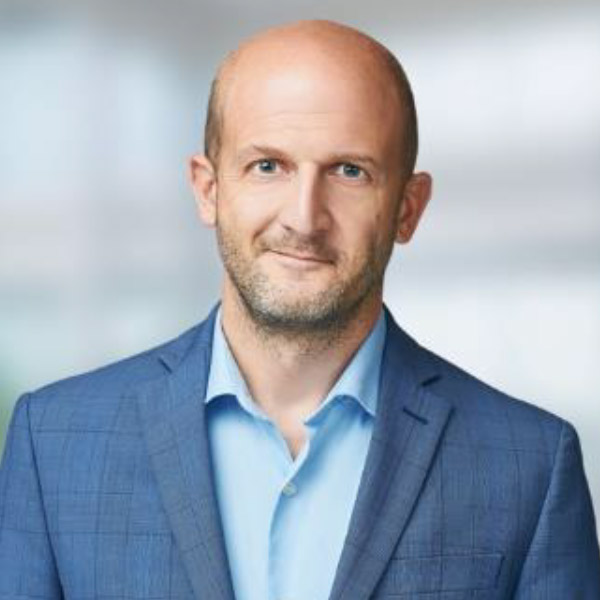
Mike Lisa, President and Chief Growth Officer | Corporate Synergies
Mike Lisa leads the Account Management, Sales, Marketing and Business Development functions for Corporate Synergies, a national benefits practice leader. Mike is a 25-year employee benefits and insurance industry veteran with expertise in assembling best-in-class teams, maximizing operational results and enhancing the client’s overall experience.

Share

Related Content

Latest Content

Want More?

On Demand Webinars​

View any of our past recorded webinars. Note that the recorded webinars are not eligible for CE credits.

Current Events Calendar ​

Learn from respected experts while you earn CE credits for select continuing education events, free of charge.​

Further Learning​

Never miss another event! Receive email alerts for upcoming events and service offerings.​

LIKE WHAT YOU'RE READING?

Get Notified!

We will send important benefits-industry information directly to your inbox as it becomes available, including accredited CE events.

Nicole Crowley

Coming Soon

Lorem ipsum dolor sit amet, consectetur adipiscing elit. Sed do eiusmod tempor incididunt ut labore et dolore magna aliqua. Ut enim ad minim veniam, quis nostrud exercitation ullamco laboris nisi ut aliquip ex ea commodo consequat. Duis aute irure dolor in reprehenderit in voluptate velit esse cillum dolore eu fugiat nulla pariatur. Excepteur sint occaecat cupidatat non proident, sunt in culpa qui officia deserunt mollit anim id est laborum.

Matt McCuen

National Executive at Imagine360

Matt McCuen is an industry veteran, with over 30 years of experience in the self-funded space.  

As the National Marketing Executive for Imagine360, Matt works with self-funded employers across the nation to improve the benefits they offer to their employees and families. 

Imagine360 is the leading provider of employer-sponsored health plan solutions that deliver deep cost savings and concierge member support. Leveraging 50+ years of expertise, Imagine360’s solutions combine the financial benefits of reference-based pricing, best-in-class member support, and health plan administration.  

Greg Santulli

CEO of Rx Valet

Greg Santulli is the CEO and Co-Founder of Rx Valet, an industry leading Pharmacy Cost Savings company. Greg has over 30 years of experience in healthcare and pharmacy. His leadership has positioned Rx Valet as the one of the leading providers of Pharmacy Cost Containment, low-cost access to medications and a successful pharmacy benefit manager. His company’s approach is to engage all parties involved to provide unprecedented results. 

Mitch Lamoriello

VP Wealth Advisor at Advus Partners

Mitchell has innovation in his bones. He understands the unique challenges and circumstances clients face in their financial lives, and is passionate about discovering new ways his family firm can help serve a changing investor and investment marketplace.

As an investment specialist, Mitchell sits on the Advus’ investment committee. He also is responsible for assisting in the firm’s qualitative and quantitative due diligence process and contributing to the research on capital markets and global economic conditions. His knowledge base in investments provides him with a strong foundation to help answer client questions and navigate issues with their portfolio. As he spends more time with clients, Mitchell understands the importance of achieving goals and has expanded his knowledge, skills and approach beyond investments to encompass holistic financial planning.

andy rhea

Andy Rhea

President of Align Risk Solutions

Andy is the President of Align Risk Solutions. Prior to the formation of Align, Andy served as General Counsel to the Captive Insurance Division for the Tennessee Department of Commerce and Insurance. He began his legal career with the Mississippi Insurance Department and in private practice. He is a licensed attorney (in both Tennessee and Mississippi) and holds the Associate in Captive Insurance designation. Andy is very active in various captive insurance associations, currently serving as the President of the Tennessee Captive Insurance Association. Andy is a graduate of Mississippi State University where he received a BBA and MBA, and he earned his law degree from the University of Mississippi. During the feasibility and formation phases of Align’s process, Andy is involved in all regulatory, business plan and application functions. Ongoing, Andy is responsible for corporate governance, regulatory matters, and client relationships. 

Andrew Zito

President/CEO – Advus Fincancial Partners

Andrew has always been fascinated by complex things. The more complicated something is, the more he wants to understand it and fix it. From applying technology to solve business problems to working with plan sponsors to untangle complicated situations, he thrives on finding efficient and effective solutions.

Andrew oversees the operations of Advus, translating the firm’s vision and objectives into actionable processes. His responsibilities encompass technology solutions, business processes, service standards and human resources. He also is directly responsible for the retirement plan division and settingits strategic direction.

Andrew specializes in the qualified retirement plan aspect of the Advus business. Throughout his career, he has worked with retirement plans in a variety of different capacities. He began his career as an intern at Advus (formerly LAMCO Advisory Services, Inc.) assisting with compliance testing. He then spent several years working on platform conversions for retirement plans before moving into his present consulting role. Within the retirement plan space, he specializes in complex plan situations including plan mergers, spinoffs, complex regulatory audits, M&A activity and error corrections.