

Why Metabolic Health Should Be Every Employer’s Next Benefits Priority 

Doctor reviews metabolic health data with patient while demonstrating how to use dumbbells | Corporate Synergies
Employers who track staff metabolic health can address issues before they become systemic problems.

As Seen in Med City News
As Seen In

Employers spend enormous amounts each year on chronic condition management. Yet behind most of those costs lies a single, connected issue: poor metabolic health. Six in 10 Americans live with at least one chronic disease, and four in 10 manage two or more. Together, they account for nearly 90% of the nation’s $4.5 trillion annual healthcare spend. 

Metabolic health, the body’s ability to efficiently convert food into energy, is central. When that system falters, it drives a cascade of problems: elevated blood sugar, hypertension, fatigue, depression and more. Its effects ripple through the workplace, increasing time away, lowering performance and driving costs higher. 

Despite its impact, metabolic health rarely appears on the HR dashboard. That oversight is costing employers more than they realize. 

The Data Lag Problem  

Most benefits strategies are built around claims and utilization data, information that tells employers what has already gone wrong. By the time a condition shows up in the data, it’s too late to prevent it. That backward-looking model creates a perpetual cycle of reaction, not prevention. To truly manage costs and improve well-being, employers need metrics that look ahead.  

Tracking metabolic risk indicators such as blood pressure, body mass index (BMI) or glucose levels allows benefits teams to intervene before issues escalate. When employers invest in prevention, they protect both their people and their bottom line. 

From Treatment to Prevention 

Improving metabolic health doesn’t require a massive program overhaul. But it does require a shift in mindset from managing illness to empowering healthier lifestyles. The most effective employer strategies combine three elements: early detection, education and engagement. 

When employees understand their numbers, they’re more likely to take ownership of their health.

Early Detection 
Encouraging wellness is one thing, but actively promoting it is another. One of the simplest and most effective ways to do that is by offering in-office biometric screenings. These quick checks—typically including blood pressure, cholesterol, blood sugar and BMI—can identify potential health risks before they develop into costly conditions. 

Employers can easily incorporate screenings into annual health fairs or open enrollment meetings, often using carrier wellness credits to cover the cost. When employees understand their numbers, they’re more likely to take ownership of their health, and that awareness lays the foundation for long-term well-being. 

Education and Engagement 
Consistency is essential to employee engagement. It’s not only about meeting employees where they are but doing so frequently and in a format that encourages peak engagement. While some may feel comfortable engaging digitally or attending wellness workshops, most employees benefit from regular, low-stakes reminders—whether that’s via email, DM or sticking around after a meeting. This consistency keeps health top of mind and will reinforce engagement that leads to smarter choices and better outcomes. 

Often, it’s not about whether employees are taking the right steps or not; it’s that they don’t know what the right steps are. Education is fundamental to driving better health outcomes, especially when provided in a palatable, human way. Incentives can also be a powerful motivator. Once employees are equipped with the knowledge and support of how to take better control of their health, they can begin to take meaningful, lasting steps. 

The Role of GLP1s 

GLP-1s offer promise for individuals managing type 2 diabetes and obesity, but without proper support, the impact of the drugs is temporary. For employers who offer GLP-1 coverage, it’s important that they also provide resources, like nutrition counseling and coaching, that teach sustainable habits for long-term success and metabolic health. 

Small Steps, Big Impact 

Improving population health can seem daunting to employers, but incremental change adds up. Here are a few foundational steps to start with: 

  • Integrate on-site screenings: Provide easy, accessible biometric checks at health fairs, open enrollment and other company events, using carrier wellness credits to keep costs low 
  • Use incentives to spark engagement: Offer simple rewards, such as gift cards or wellness points, for completing health risk assessments, joining coaching programs or participating in preventive care 
  • Communicate consistently: Build awareness through regular, low-touch reminders via email, DM or team meetings 
  • Pair GLP-1 benefits with support: If offering GLP-1 coverage, reinforce it with nutrition counseling, behavioral health resources and coaching to drive sustainable change 
  • Track engagement and outcomes: Measure participation and progress, and use these insights to refine future program design and investment.

Employers need a new perspective on metabolic health, one that views it as a metric of success. With better metabolic health comes stronger teams, lower costs and healthier organizations. 

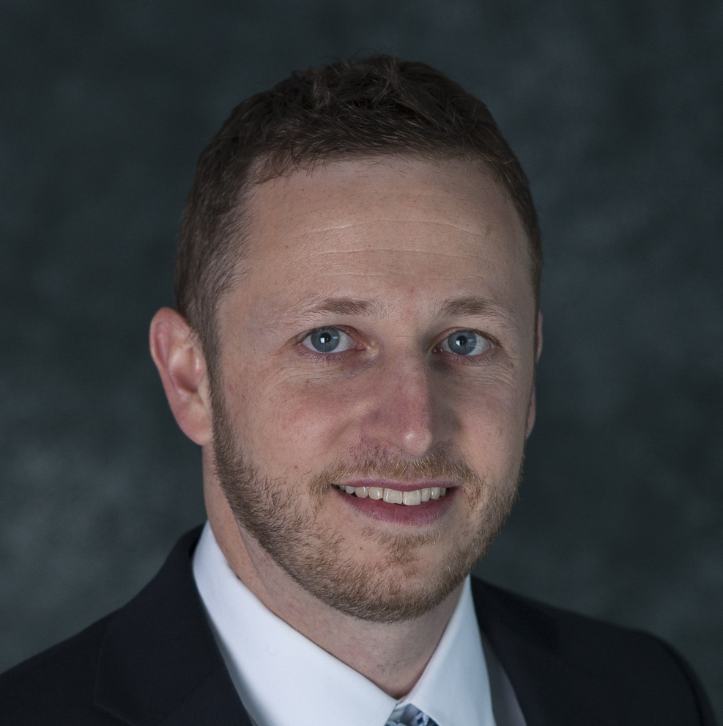
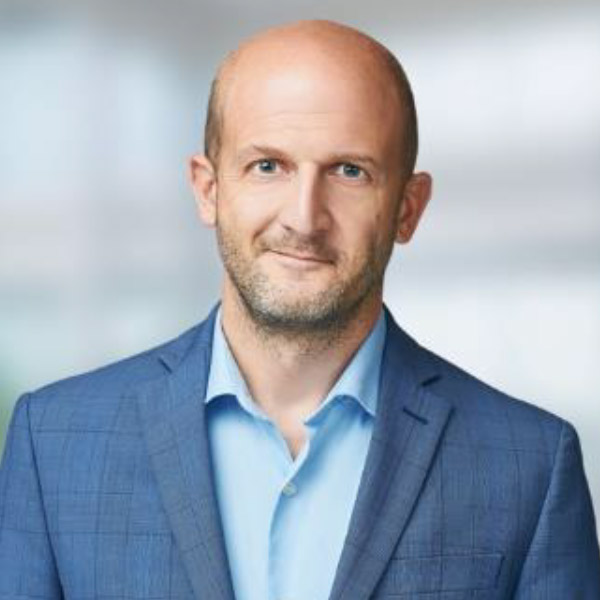
Brian Reilly headshot | Corporate Synergies
Brian Reilly works with organizations to provide cost-effective strategies and efficient healthcare programs. His skill set includes marketing negotiations with carriers and managing client relationships. He consistently interacts with the insurance market, clients and their industries, leading to a deeper understanding of the evolving healthcare landscape and how it impacts his clients and employees. He identifies cost-saving alternatives and strategies designed to increase the value of benefit programs for all stakeholders. He currently serves as Board Secretary for the Westchester Human Resource Management Association (WHRMA). He earned a Bachelor of Sciences in Business Management from the University of Delaware.

Share

Related Content

Latest Content

Want More?

On Demand Webinars​

View any of our past recorded webinars. Note that the recorded webinars are not eligible for CE credits.

Current Events Calendar ​

Learn from respected experts while you earn CE credits for select continuing education events, free of charge.​

Further Learning​

Never miss another event! Receive email alerts for upcoming events and service offerings.​

LIKE WHAT YOU'RE READING?

Get Notified!

We will send important benefits-industry information directly to your inbox as it becomes available, including accredited CE events.

Matt McCuen

National Executive at Imagine360

Matt McCuen is an industry veteran, with over 30 years of experience in the self-funded space.  

As the National Marketing Executive for Imagine360, Matt works with self-funded employers across the nation to improve the benefits they offer to their employees and families. 

Imagine360 is the leading provider of employer-sponsored health plan solutions that deliver deep cost savings and concierge member support. Leveraging 50+ years of expertise, Imagine360’s solutions combine the financial benefits of reference-based pricing, best-in-class member support, and health plan administration.  

Greg Santulli

CEO of Rx Valet

Greg Santulli is the CEO and Co-Founder of Rx Valet, an industry leading Pharmacy Cost Savings company. Greg has over 30 years of experience in healthcare and pharmacy. His leadership has positioned Rx Valet as the one of the leading providers of Pharmacy Cost Containment, low-cost access to medications and a successful pharmacy benefit manager. His company’s approach is to engage all parties involved to provide unprecedented results. 

Mitch Lamoriello

VP Wealth Advisor at Advus Partners

Mitchell has innovation in his bones. He understands the unique challenges and circumstances clients face in their financial lives, and is passionate about discovering new ways his family firm can help serve a changing investor and investment marketplace.

As an investment specialist, Mitchell sits on the Advus’ investment committee. He also is responsible for assisting in the firm’s qualitative and quantitative due diligence process and contributing to the research on capital markets and global economic conditions. His knowledge base in investments provides him with a strong foundation to help answer client questions and navigate issues with their portfolio. As he spends more time with clients, Mitchell understands the importance of achieving goals and has expanded his knowledge, skills and approach beyond investments to encompass holistic financial planning.

andy rhea

Andy Rhea

President of Align Risk Solutions

Andy is the President of Align Risk Solutions. Prior to the formation of Align, Andy served as General Counsel to the Captive Insurance Division for the Tennessee Department of Commerce and Insurance. He began his legal career with the Mississippi Insurance Department and in private practice. He is a licensed attorney (in both Tennessee and Mississippi) and holds the Associate in Captive Insurance designation. Andy is very active in various captive insurance associations, currently serving as the President of the Tennessee Captive Insurance Association. Andy is a graduate of Mississippi State University where he received a BBA and MBA, and he earned his law degree from the University of Mississippi. During the feasibility and formation phases of Align’s process, Andy is involved in all regulatory, business plan and application functions. Ongoing, Andy is responsible for corporate governance, regulatory matters, and client relationships. 

Andrew Zito

President/CEO – Advus Fincancial Partners

Andrew has always been fascinated by complex things. The more complicated something is, the more he wants to understand it and fix it. From applying technology to solve business problems to working with plan sponsors to untangle complicated situations, he thrives on finding efficient and effective solutions.

Andrew oversees the operations of Advus, translating the firm’s vision and objectives into actionable processes. His responsibilities encompass technology solutions, business processes, service standards and human resources. He also is directly responsible for the retirement plan division and settingits strategic direction.

Andrew specializes in the qualified retirement plan aspect of the Advus business. Throughout his career, he has worked with retirement plans in a variety of different capacities. He began his career as an intern at Advus (formerly LAMCO Advisory Services, Inc.) assisting with compliance testing. He then spent several years working on platform conversions for retirement plans before moving into his present consulting role. Within the retirement plan space, he specializes in complex plan situations including plan mergers, spinoffs, complex regulatory audits, M&A activity and error corrections.